Basic Refrigeration Cycle Technology
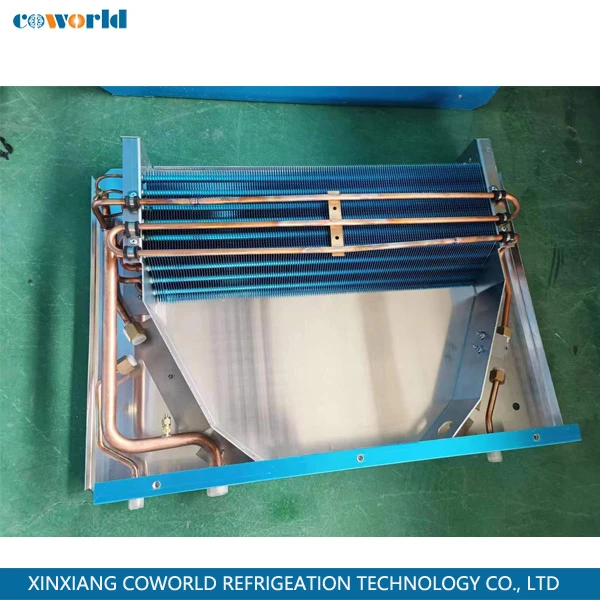
Mainstream vapor-compression refrigeration relies on four core components to complete the cycle: a compressor compresses low-temperature, low-pressure gaseous refrigerant into a high-temperature, high-pressure gas; this gas enters the condenser, where it releases heat and condenses into a high-pressure liquid; an expansion valve then throttles and depressurizes the fluid into a low-temperature, low-pressure gas-liquid mixture; finally, the refrigerant absorbs heat and evaporates in the evaporator to produce a cooling effect, with the cycle repeating continuously.
Core Component Technologies
Screw Compressor Technology: Achieves efficient gas compression through optimized rotor profile design, featuring low vibration and noise levels. It allows for precise cooling capacity adjustment based on load; when paired with an intelligent control system, it can optimize operating parameters in real-time, significantly enhancing energy efficiency.
Compressor-free Refrigeration Technology: Includes technologies such as lithium bromide absorption refrigeration and magnetic refrigeration. Lithium bromide units achieve cooling through the absorption-generation reaction of a lithium bromide aqueous solution; they can be driven by low-grade heat sources, resulting in lower energy consumption.